Basketball Parlay Construction and the Role of Odds Variations Between Platforms
Written by Alex Hayes · Jul 13, 2026

Basketball Parlay Construction and the Role of Odds Variations Between Platforms
Odds differences appear across betting platforms when operators set lines for NBA games and other basketball contests, and these differences directly shape how bettors assemble parlays with multiple legs. One platform might list a favorite at -180 while another posts the same outcome at -165, and that spread alters the combined payout when several selections combine into a single wager.
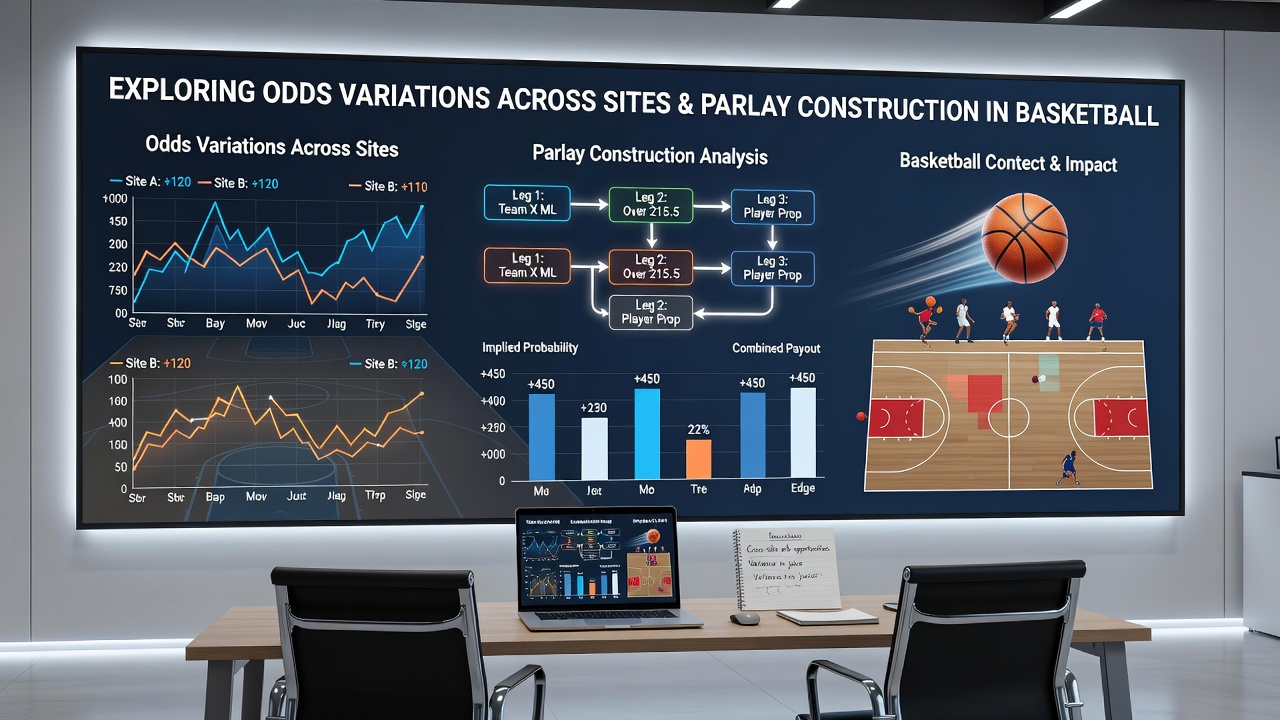
Parlay construction relies on multiplying the odds from each leg, so even small discrepancies compound across three or more selections. Bettors who scan multiple sites often locate better prices on specific player props or team totals, which then get locked into the overall ticket before the lines move further.
Core Mechanics of Odds Discrepancies
Bookmakers adjust basketball odds based on betting volume, injury reports, and their own risk models, and these adjustments rarely align perfectly across operators. A sharp line on one site for a game's total points might sit half a point lower than the equivalent market elsewhere, creating opportunities when that leg slots into a larger parlay.
Data released in July 2026 by market tracking services showed average spreads of 8 to 12 percent between leading platforms on high-profile NBA matchups. Those gaps widened during periods of heavy action around playoff games when liquidity concentrated on fewer books.
Impact on Multi-Leg Wager Assembly
Constructing a parlay requires balancing risk and return, and odds variations force bettors to decide whether to chase the best available price on each leg or accept a slightly lower number to keep everything on one ticket. When a three-leg NBA parlay includes a moneyline, a player points prop, and a team rebound total, shifting just one selection to a better price can lift the overall return by several percentage points.
Observers note that platforms with slower line movement sometimes retain favorable numbers longer, allowing more time to complete the remaining legs elsewhere. This approach demands monitoring across devices, yet the payoff appears in the final calculated odds once all selections are confirmed.
Examples from Recent NBA Seasons
Take the case of a December 2025 matchup between two Western Conference teams where one operator priced the over on total points at 228.5 while another held the line at 227.5. Bettors who incorporated the lower total into a four-leg parlay that also featured two player assists props and a first-quarter spread recorded a noticeably higher payout than those who used the higher number across the board.
Another instance involved a January 2026 game where a star player's points prop ranged from 27.5 on one site to 28.5 on another. Those who secured the lower threshold for that leg and paired it with favorable team totals from separate platforms achieved combined odds that exceeded what a single-site parlay would have delivered.
Strategic Considerations for Bettors
Research from the American Gaming Association highlights how line shopping remains a documented practice among frequent bettors, particularly when constructing accumulators that span multiple categories such as spreads, totals, and props. The same report notes that platforms using distinct risk-management teams produce the widest gaps on secondary markets like quarter totals and individual defensive stats.
Those assembling parlays also watch for correlated outcomes, where a strong performance in one leg increases the likelihood of success in another. When odds differ, selecting the most advantageous price on each correlated leg amplifies the potential return without changing the underlying probabilities.
Market Data and Platform Comparisons
Figures from independent tracking firms reveal that basketball markets on major sites update at different intervals, with some operators refreshing lines every few minutes during live betting windows while others maintain static numbers longer. This timing difference affects parlay builders who need to secure all legs before any single price shifts unfavorably.
A study conducted by researchers at the University of Nevada, Las Vegas examined over 2,000 NBA games across the 2025-2026 season and found measurable variance in opening totals and moneylines between four leading platforms. The analysis showed that the average parlay payout improved by 6.8 percent when bettors combined the best available odds rather than defaulting to a single source.
Conclusion
Odds variations across betting sites continue to influence how basketball parlays are built, because each leg's price directly multiplies into the final return. Bettors who compare lines before committing selections gain access to improved combined odds, while those who monitor updates in real time can adjust remaining legs when early prices move. Market data through July 2026 confirms these patterns persist across regular-season and postseason contests alike.