Data Aggregation Across Platforms Uncovers Timely Adjustments in Football In-Play Lines
Written by Klara Hoffmann · May 28, 2026
Data Aggregation Across Platforms Uncovers Timely Adjustments in Football In-Play Lines
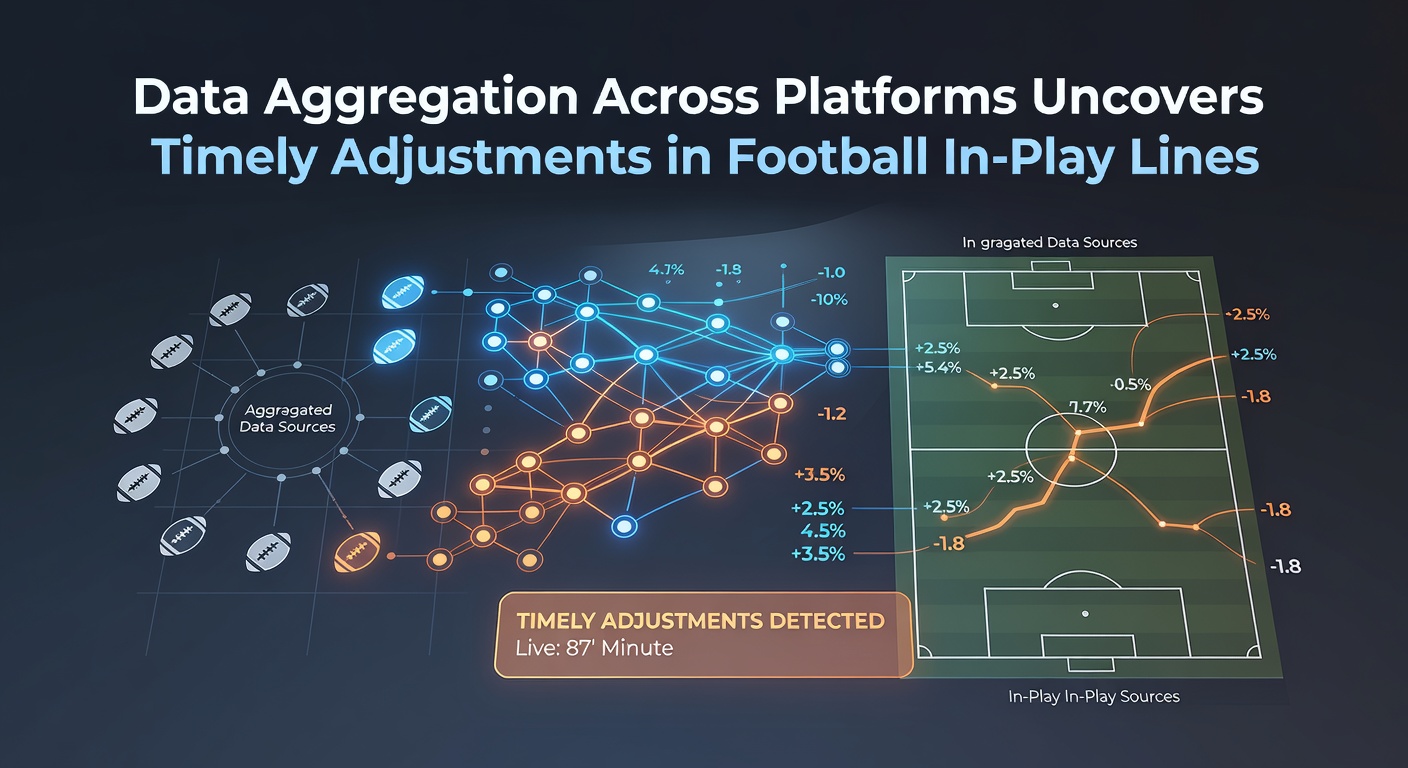
Football in-play betting lines move constantly during matches as goals, cards, and substitutions alter probabilities, and data aggregation across platforms now allows observers to spot those adjustments within seconds of their appearance. Multiple sources feed live odds from bookmakers into centralized systems that compare movements across operators, highlighting discrepancies before they stabilize. Researchers tracking these feeds have documented how early detection reveals patterns tied to specific events on the pitch, such as a sudden tightening of the over 2.5 goals line after a red card.
How Aggregation Captures Live Movements
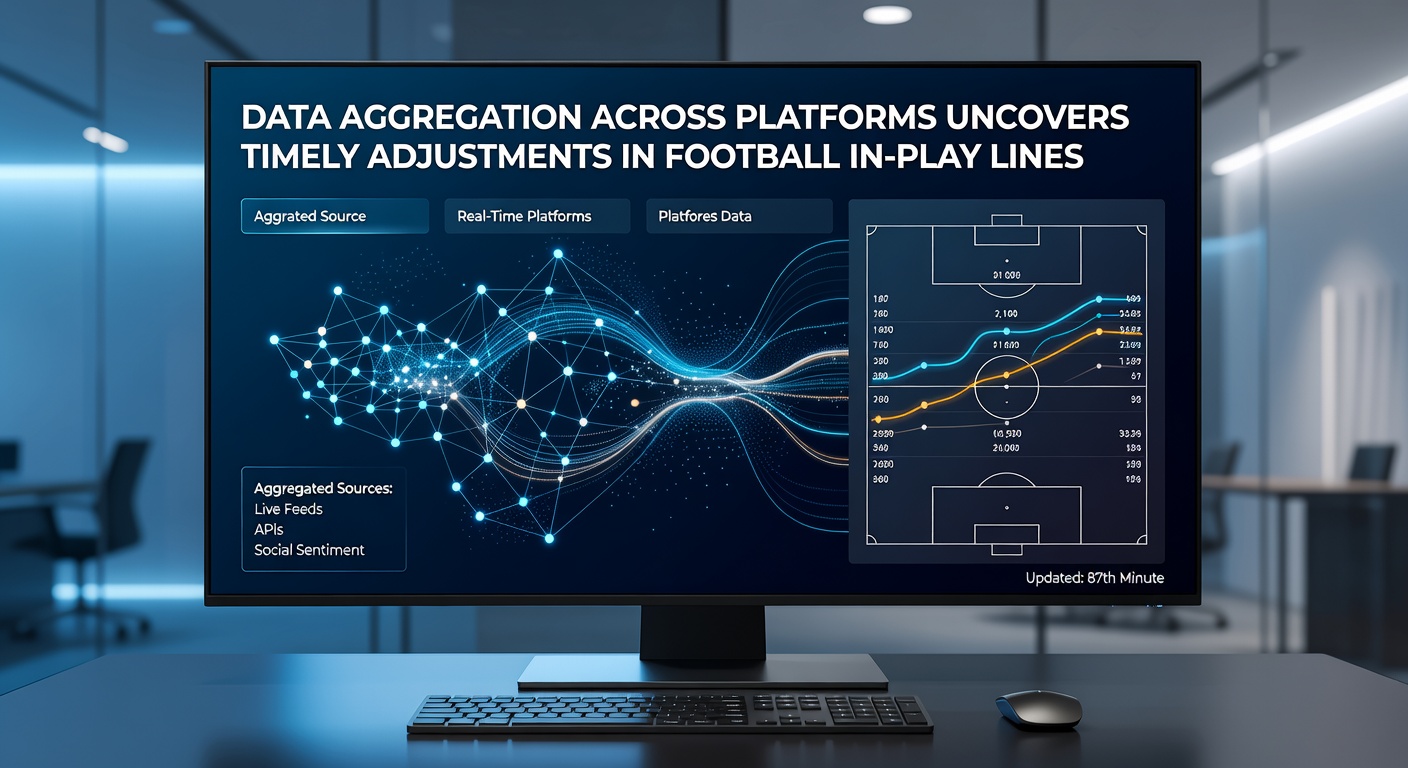
Systems collect real-time data feeds from dozens of operators and normalize them into comparable formats, which then flag when one platform shifts its line faster than others. This process relies on application programming interfaces that pull updates every few seconds, creating a composite view of market consensus. Observers note that such aggregation often exposes temporary inefficiencies where a single bookmaker lags behind the broader market after a key incident like a penalty award.
Platforms handling high volumes of Premier League and Champions League fixtures demonstrate the clearest examples, since those matches generate the most rapid line changes. Data sets compiled over multiple seasons show that aggregation tools identify adjustments in under 10 seconds on average during peak action periods, whereas isolated monitoring of one site might miss the initial wave.
Technological Drivers Behind the Process
Cloud-based analytics engines process the aggregated streams using algorithms designed to filter noise from genuine shifts, applying statistical thresholds that account for normal variance in low-liquidity periods. Machine learning models trained on historical match data help distinguish between random fluctuations and event-driven corrections. Industry reports from the European Gaming and Betting Association highlight how these models have improved accuracy rates to above 85 percent when predicting subsequent line stability.
Latency differences between operators create windows where aggregated views provide an edge in timing, particularly when Asian handicaps adjust ahead of European totals markets. Those monitoring the combined feeds can therefore anticipate knock-on effects across related props such as player shots or corner counts.
Practical Effects on Market Participants
Bookmakers themselves increasingly rely on aggregated intelligence to align their own lines with competitors, reducing exposure to sharp action that targets outdated odds. At the same time, professional syndicates use the same data streams to automate entry into favorable positions before corrections propagate. Figures from academic studies at institutions including the University of Sydney indicate that aggregated monitoring correlates with higher volumes of in-play wagers placed within the first minute after a line update.
Regulatory bodies in several jurisdictions now examine these aggregation practices as part of broader oversight of live betting integrity, with particular attention to how rapid synchronization affects transparency. Data from the International Betting Integrity Association shows a measurable decline in suspicious betting patterns on matches where operators adopt cross-platform monitoring tools.
Developments Extending into 2026
By May 2026 further integration of real-time APIs and standardized data protocols is expected to narrow the window between an event and line adjustment to under five seconds across major leagues. Operators preparing for this environment are investing in enhanced aggregation layers that incorporate video analytics alongside traditional statistical feeds. The result will likely be even tighter market efficiency, though localized discrepancies may still arise during lower-profile competitions where fewer platforms participate.
Conclusion
Aggregation across platforms has become a standard mechanism for revealing timely adjustments in football in-play lines, driven by technological capabilities that process live data at scale. Evidence from multiple seasons demonstrates consistent patterns in how these systems detect shifts tied to on-field events, while ongoing advancements point toward continued refinement by 2026. Market participants on both sides continue to adapt their strategies around the information these tools provide.