Gordon Brown Advocates Higher Machine Games Duty to Support Energy Costs
Written by Klara Hoffmann · Aug 27, 2026

Gordon Brown Advocates Higher Machine Games Duty to Support Energy Costs
Former Prime Minister Gordon Brown called for a substantial rise in machine games duty on gaming machines located in betting shops and adult gaming centres, and he outlined how the change could deliver up to £500 million toward easing household energy bills. The proposal emerged during an appearance on BBC Radio 4’s Today programme, where Brown stressed that bingo halls and pubs should remain exempt from the higher rate, thereby protecting those sectors from added fiscal pressure.
Observers note that the suggestion arrives at a moment when new Prime Minister Andy Burnham faces decisions on gambling taxation, and the link between Brown’s remarks and potential government action has drawn attention from industry stakeholders. Brown presented the measure as a targeted adjustment that would focus on specific machine categories while leaving other venues untouched, and he positioned the revenue as a direct contribution to energy relief for households.
Industry Response and Projected Effects
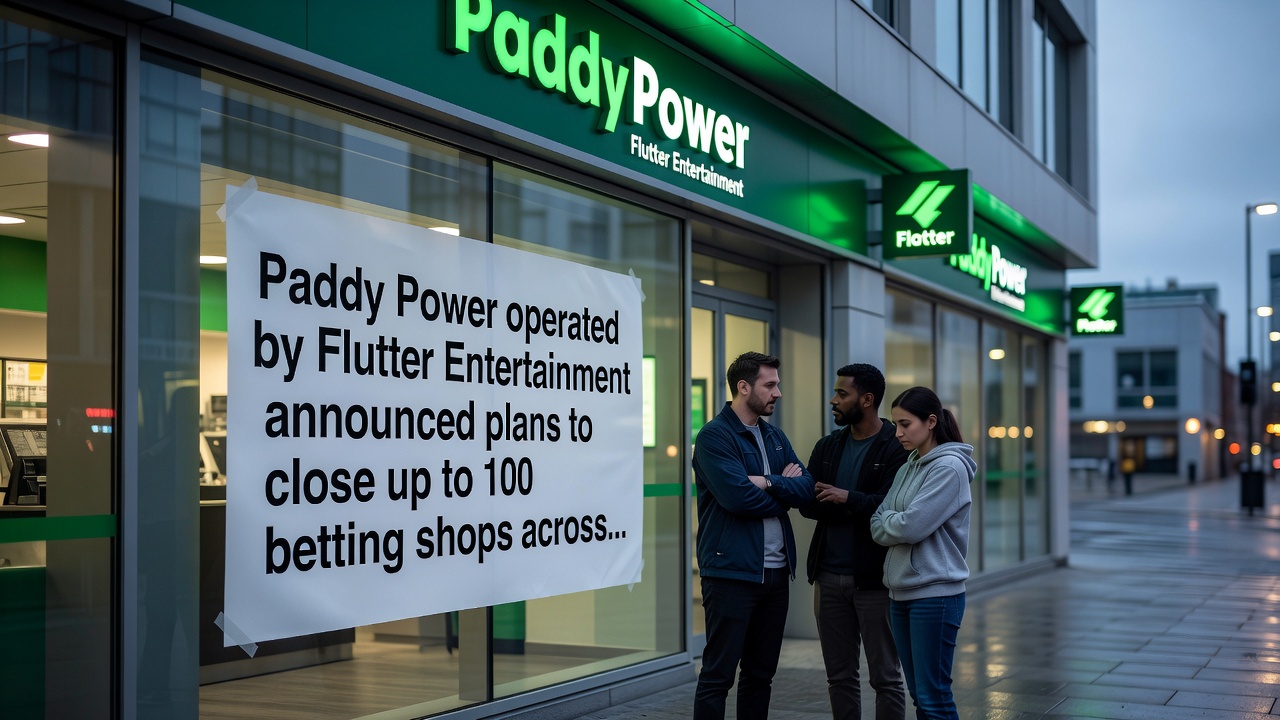
The British Horseracing Authority and the Betting and Gaming Council responded swiftly, warning that an elevated machine games duty would accelerate the closure of betting shops, reduce employment opportunities, and diminish the funding that flows to horseracing through the levy and media rights agreements. Representatives from both organisations highlighted the risk that higher costs could push some activity into unregulated channels, thereby reducing the visibility of player behaviour and the traceability of transactions that currently support responsible gambling measures.
Those who have tracked betting shop trends over recent years point out that successive tax and regulatory changes have already produced a steady contraction in the number of high-street outlets, and they suggest that a further duty increase would compound existing pressures on operators. The Betting and Gaming Council has emphasised that any contraction in the licensed sector could shift spending patterns toward offshore or unlicensed platforms where consumer protections are weaker and where no equivalent contributions reach the racing industry or the Treasury.
Context Around the Proposal
Brown framed the duty adjustment as a way to balance revenue needs with targeted exemptions, and he cited the distinction between machine-heavy venues and community-focused sites such as bingo halls and pubs. The discussion on the Today programme occurred against a backdrop of ongoing debates about gambling taxation, yet Brown kept the focus on the specific revenue potential of machine games duty and the narrow scope of the proposed change. Industry bodies have countered that the economic footprint of betting shops extends beyond direct employment to include supply chains and local spending, and they argue that rapid closures could produce secondary effects on town centres already adjusting to retail shifts.
Data referenced by the British Horseracing Authority indicates that media rights payments and levy contributions from betting operators form a significant portion of prize money and infrastructure support for the sport, and any reduction in those streams would require alternative funding models to be developed. The Betting and Gaming Council has similarly noted that licensed operators already operate under strict advertising and player-protection rules, and they maintain that further tax pressure could undermine the viability of maintaining those standards across a shrinking network of premises.
Timing and Broader Considerations
Reports circulating in August 2026 place the Brown intervention within a period of active policy review under the new prime minister, although no formal consultation timeline has been confirmed. Stakeholders continue to monitor statements from Downing Street for signals on whether the machine games duty adjustment will feature in upcoming fiscal measures. The Racing Post article that first detailed Brown’s comments also recorded the immediate industry pushback, underscoring the divide between revenue-raising arguments and operational sustainability concerns.
Those who follow parliamentary procedure observe that any duty change would normally require secondary legislation or inclusion in a finance bill, and the process would allow both supporters and opponents to present evidence before committees. Brown’s emphasis on ring-fenced revenue for energy bills adds a social-policy dimension that could influence the framing of future debates, while the warnings from the British Horseracing Authority and the Betting and Gaming Council supply the countervailing data on employment and sectoral funding.
Conclusion
The proposal advanced by Gordon Brown centres on a single tax lever applied to a defined category of machines, with explicit carve-outs for bingo and pub venues, and it has already prompted detailed responses from the two main industry bodies most directly affected. The discussion continues to revolve around the balance between additional Treasury receipts and the operational consequences for licensed operators, with both sides presenting figures on revenue potential and business viability. As the policy conversation develops under Prime Minister Burnham, the statements made on the Today programme and the subsequent industry assessments remain the primary reference points for anyone tracking the trajectory of machine games duty.