Referee Rotation Systems and Their Effects on Football Goal Line Markets
Written by Morgan Walter · Aug 22, 2026
Referee Rotation Systems and Their Effects on Football Goal Line Markets
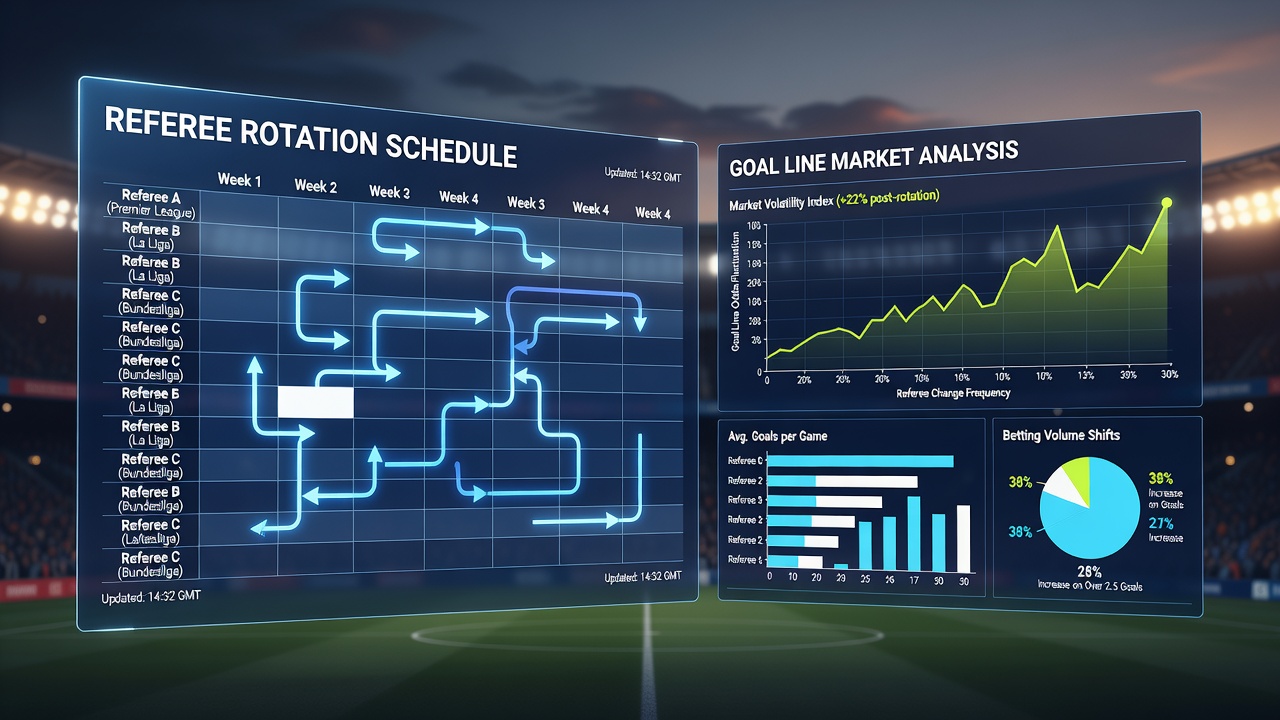
Referee rotation schedules operate as structured assignment systems across major football leagues, where governing bodies assign officials to matches based on performance metrics, availability, and geographic considerations. These rotations create measurable patterns in game management that extend into goal line betting markets, particularly over/under totals on goals scored. Data from European competitions shows that referee assignments influence foul counts, card distributions, and stoppage time, all of which alter match tempo and scoring opportunities.
Mechanics of Referee Assignments in Top Leagues
League organizers maintain detailed rotation calendars that cycle referees through domestic and European fixtures while balancing workload and avoiding repeated pairings with the same teams. In the Bundesliga and Serie A, officials typically handle one match per week during peak periods, with adjustments for travel demands. August 2026 schedules for several top divisions already list preliminary rotations that account for expanded fixture lists ahead of international windows. Observers note that these calendars often cluster certain referees with reputations for strict enforcement into high-stakes matches, producing consistent differences in game flow compared to more lenient officials.
Rotation policies also incorporate rest requirements and fitness evaluations. When a referee completes a demanding midweek fixture, subsequent assignments shift toward less physically taxing venues. This adjustment affects the number of interruptions during play, since fresher officials tend to maintain stricter positioning and issue more cautions in the opening phases of matches.
Links Between Referee Styles and Goal Totals
Referees differ in their interpretation of contact, with some applying narrower thresholds for fouls that slow build-up play while others allow greater physicality that accelerates transitions. Research from sports analytics groups indicates that matches overseen by high-card referees average 0.3 fewer goals than those handled by lower-card officials across a full season. These variations appear most clearly in goal line markets, where totals hover near key thresholds such as 2.5 goals.
Stoppage time decisions further compound the effect. Longer added periods increase the probability of late goals, particularly when combined with fatigue from earlier cautions. League-wide figures reveal that referees averaging more than five minutes of added time per half contribute to elevated over percentages in the final fifteen minutes of regulation.
Market Responses and Historical Patterns
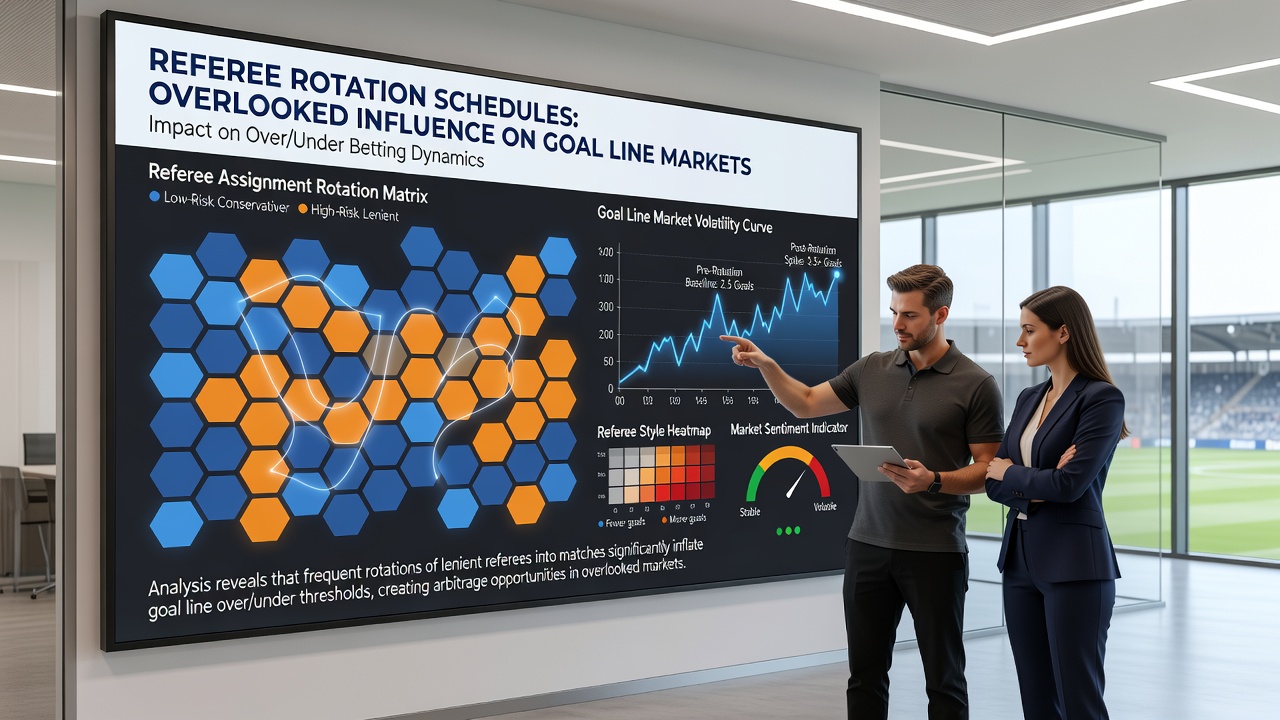
Betting operators adjust goal line odds in response to confirmed referee appointments, which typically occur two to three days before kickoff. Sharp bettors track these announcements because certain officials demonstrate repeatable tendencies across multiple seasons. For instance, data compiled by European performance tracking services shows that specific referees in the Portuguese Primeira Liga produce over 2.5 goal results at rates 8 percent above league averages when assigned to mid-table fixtures.
Rotation cycles also create clustering effects. When a league rotates a group of strict officials into a single matchweek, goal line markets across that slate often shift toward unders. Conversely, periods featuring more permissive referees coincide with spikes in overs. These movements remain modest in isolation yet accumulate across large sample sizes, producing measurable edges for those monitoring assignment patterns.
Regional Variations and Scheduling Influences
Confederation-level policies introduce additional layers. UEFA and CONMEBOL maintain separate rotation frameworks for continental competitions that sometimes diverge from domestic schedules. Matches involving cross-border travel frequently feature referees drawn from neutral countries, whose styles may differ from local norms. Analysts have documented slight but consistent deviations in card issuance and added time during such fixtures.
August 2026 will mark the start of new rotation cycles in several South American leagues, coinciding with qualification windows for major tournaments. These periods historically show elevated variance in referee performance metrics as officials return from international duty and readjust to domestic rhythms.
Conclusion
Referee rotation schedules function as an underappreciated variable within football goal line markets. Assignment patterns influence foul frequency, disciplinary actions, and stoppage time, all of which shift expected goal totals in measurable ways. Market participants who integrate referee data with traditional team statistics gain access to additional context that standard models often overlook. As leagues publish future calendars and performance databases expand, the connection between rotation systems and betting outcomes continues to receive closer examination from analytics teams worldwide.